
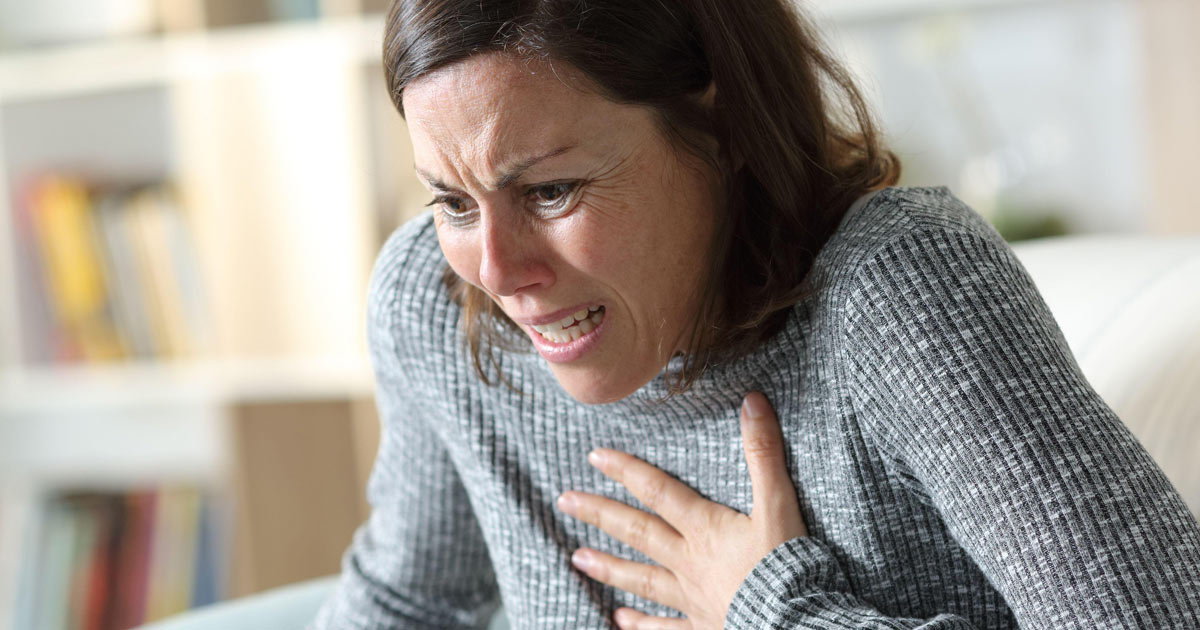
While Christmas is supposed to be a season of joy, rest, and time with family, doctors are sounding the alarm about a dangerous and predictable surge in cardiac emergencies, a phenomenon now known as “holiday heart syndrome.”
Between cross-country travel, frantic preparation for gatherings, emotional strain, disrupted sleep, and overindulgence in rich foods and alcohol, the Christmas season creates a perfect storm of stressors.
And every year, the data shows the same chilling trend that heart attacks spike sharply around Christmas and New Year’s.
Cardiothoracic surgeon Dr. Jeremy London issued a warning in a recent Instagram video, noting that emergency rooms see the pattern like clockwork.
“Every year, like clockwork, we see a spike in heart attacks around Christmas and New Year’s,” London said.
“In fact, Christmas Eve is the highest-risk day of the year.”
According to London, these heart attacks are tied to behavioral changes, such as drinking more, eating excessively, moving less, and taking on elevated emotional and financial stress as Christmas approaches.
“Emotional stress, financial stress, the increased pace of the holidays, increased obligations,” he said, listing the factors that routinely push people into dangerously high-risk territory.
The cold weather adds yet another layer of risk, the doctor argues.
London explains that lower temperatures cause vasoconstriction, the narrowing of blood vessels, which increases the likelihood of plaque rupturing and triggering a heart attack.
“Holiday heart syndrome”
Dr. Glenn Hirsch, chief of cardiology at National Jewish Health, said the term typically refers to the onset of atrial fibrillation, an abnormal heart rhythm that often follows binge drinking.
“It’s often a combination of overdoing the alcohol intake along with high salt intake and large meals that can trigger it,” Hirsch said.
“Adding travel, stress, and less sleep, and it lowers the threshold to go into that rhythm.”
Atrial fibrillation significantly increases the risk of stroke and serious clotting complications.
“Left untreated, it can also lead to heart failure over time.
“The risk of atrial fibrillation increases with age, but also underlying cardiovascular disease risk factors increase the risk, such as high blood pressure, obesity, diabetes, sleep apnea, and chronic kidney disease,” Hirsch added.
Doctors Warn Public to Act Now
Hirsch stressed that moderation is essential during Christmas celebrations, advising Americans to avoid binge drinking, overeating (especially salty foods), and dehydration.
“Don’t forget to exercise,” he said.
“Even getting in at least 5,000 to 10,000 steps during the holiday can help lower risk, [while] also burning some of the additional calories we are often consuming around the holidays.”
London echoed the warning:
“Movement is medicine.”
He urges people to get outside and move daily, even amid Christmas chaos.
Both doctors stressed the importance of staying consistent with prescribed medications, something many people neglect during Christmas travel or gatherings.
“Prioritize sleep and mindfulness,” London said.
“Take care of yourself during this stressful time.”
He also cautioned that countless Americans delay medical appointments or ignore symptoms until after Christmas, a potentially deadly mistake.
“Don’t ignore your symptoms,” he said.
“If you don’t feel right, respond.”
READ MORE – Experts Sound Alarm Over Cancer Risk from Lab-Grown ‘Meat’

Our comment section is restricted to members of the Slay News community only.
To join, create a free account HERE.
If you are already a member, log in HERE.