
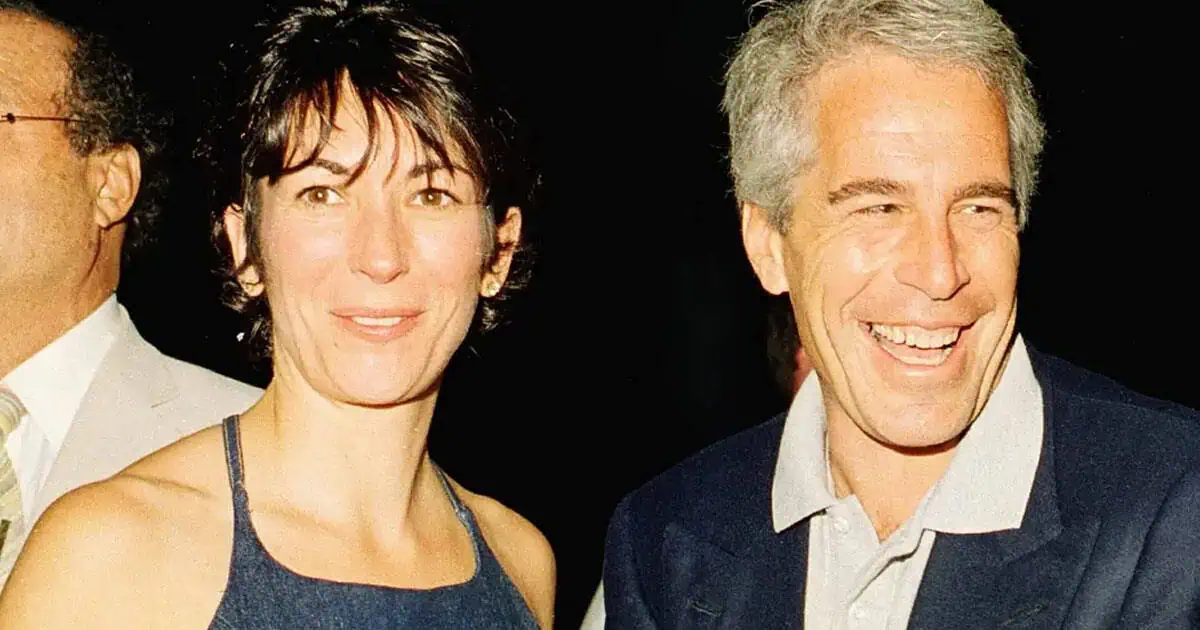
A federal judge in Florida has just granted the Justice Department’s request to unseal grand jury transcripts related to child traffickers Jeffrey Epstein and Ghislaine Maxwell.
The order marks a major breakthrough in public access to long-hidden records connected to the Epstein network.
Judge Rodney Smith ruled Friday that the Epstein Files Transparency Act of 2025 overrides traditional federal grand jury secrecy rules and requires the release of all unclassified Justice Department material tied to the case.
The legislation was signed into law by President Donald Trump on November 19.
New Law Overrides Decades of Secrecy
Historically, grand jury materials have been protected from public disclosure under strict federal rules.
Earlier this year, judges in both Florida and New York rejected requests to release Epstein-related grand jury transcripts, citing privacy concerns and longstanding criminal-procedure restrictions.
Congress intervened.
The newly enacted transparency law explicitly mandates that the Justice Department publish all unclassified Epstein and Maxwell records within 30 days.
Judge Smith found that this statute supersedes the traditional secrecy provisions and legally authorizes disclosure.
While Smith’s ruling does not release the documents immediately, it clears the final legal obstacle preventing the DOJ from moving forward.
DOJ Now Tasked With Determining Release Timing
Under the law, the Justice Department must decide when and how to release the materials, but it is obligated to publish them within the 30-day window set by Congress.
The ruling means that, for the first time, grand jury evidence from the Epstein and Maxwell investigations, material that has remained sealed for decades, will now be made public unless classified for national security reasons.
Significance of the Ruling
The release is expected to shed light on:
• previously unknown details of Epstein’s criminal network,
• the scope of Maxwell’s involvement,
• prosecutorial decisions spanning multiple administrations, and
• any individuals or institutions referenced in testimony who were never publicly identified.
The move represents one of the most substantial transparency actions in any federal criminal case involving a high-profile figure.
What Happens Next
With Judge Smith’s order in place, the DOJ must now begin preparing the material for publication under the statutory deadline.
The unsealing comes as renewed scrutiny surrounds the Epstein network.
The scrutiny includes lingering questions about how Epstein operated for decades without significant federal intervention.

Our comment section is restricted to members of the Slay News community only.
To join, create a free account HERE.
If you are already a member, log in HERE.